The Page Between Home and Nursery: A Small Notebook Habit That Keeps Everyone Connected
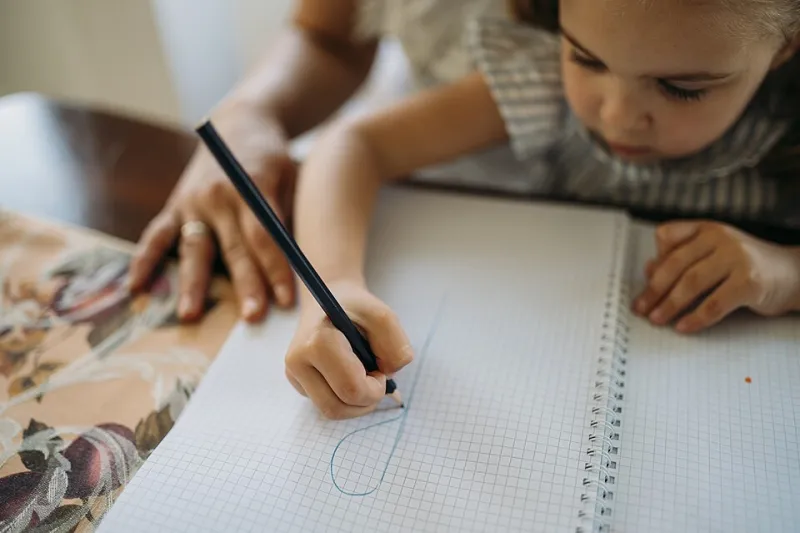
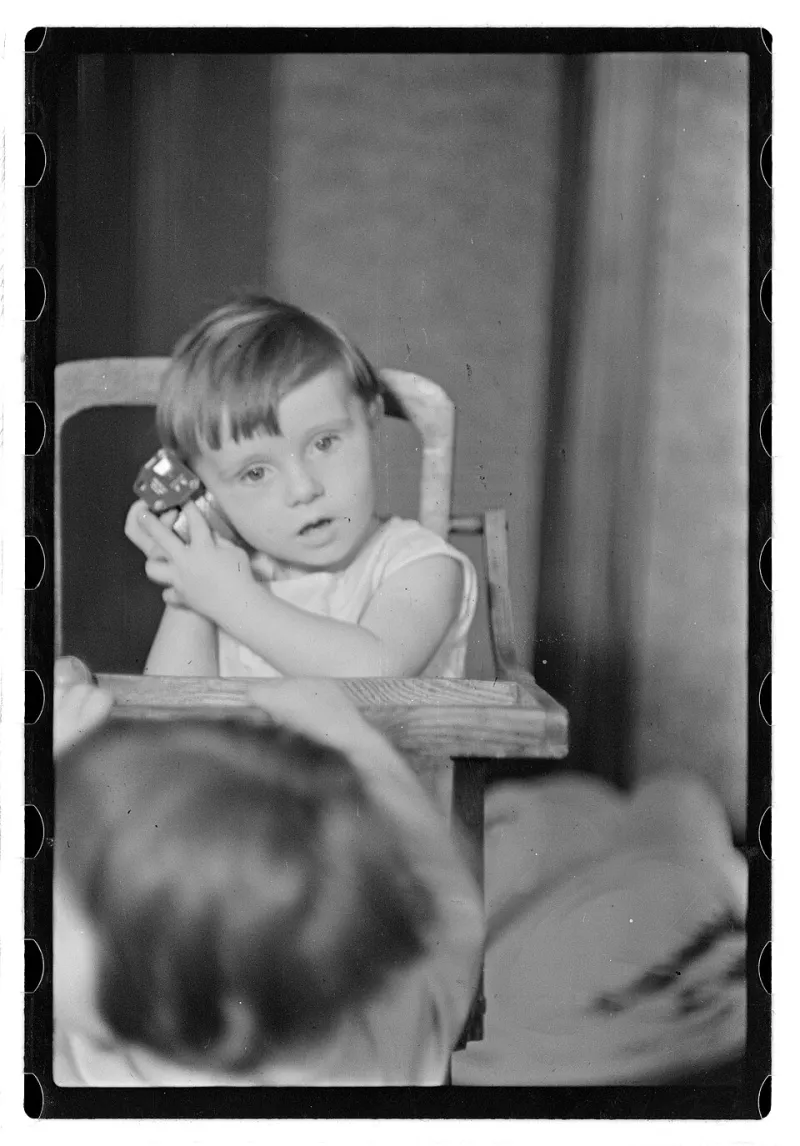
Photo: Shixart1985, CC BY 2.0, via Wikimedia Commons
There's a particular gap in the nursery day, and it lives somewhere between the door and the car. You've collected a small person wearing a coat that isn't zipped, you're juggling a rucksack, a water bottle and possibly a damp painting, and you ask the obvious question: 'What did you do today?' What comes back is 'nothing', or a shrug, or a detailed account of a biscuit.
At the other end of the day, your child's key person would love to know that she slept badly, that her grandad popped round, that she's been asking about the moon all week. And you'd love to know that she finally went down the big slide, or that she's been quietly returning to the same blue chair every morning.
Some settings handle this with an app. Some with a quick word at the door. Some with nothing much at all, because the morning is busy and the staff are lovely and everyone is doing their best. A paper notebook does the same job for about the price of a coffee, and it never runs out of battery.
Why paper still earns its place
A notebook that travels between home and nursery is a very old idea wearing ordinary clothes. It works because it's slow. Nothing pings, nothing needs a login, and nothing is expected within the hour. You write when you have a minute; the key person writes when they have one too.
There's something useful in that pace. The Early Years Foundation Stage puts a lot of weight on the key person relationship, and that relationship is built out of small, ordinary details — not milestone charts. Knowing a child had a rough night, or has a new baby sister at home, or is obsessed with diggers, is exactly the sort of information that helps a practitioner respond to the actual child in front of them rather than the one in the folder.
Three lines, not three paragraphs
The trap with any shared document is that it quietly becomes a performance. Suddenly you're writing a tidy daily report and worrying that your handwriting looks chaotic next to someone else's.
So keep it small. Three lines is plenty, and here's one way to structure them:
- One thing I noticed — 'She's been singing something about a bus.'
- One thing that might matter today — 'Woke at five, so she may flag by lunchtime.'
- One small question — 'Did the wellies ever turn up?'
That's it. No essay, no apology for the spelling, no pressure to fill the page. Some days you'll write one line. Some days you'll forget entirely, and that's genuinely fine.
The sticker question
A sticker on the front of the notebook, or a stamp on the day's page, is not a reward chart in disguise. It's just a small marker that says this page is ours. Children under five often can't read the words, but they can absolutely recognise that the notebook belongs to them, that their name is on it, and that there's a dinosaur sticker where yesterday's page ended.
That recognition matters more than it sounds. It gives a child a physical object that carries both home and nursery at once — a bit like a comfort object, except the comfort is the connection itself.
What it gives your child
Continuity is quietly powerful for small children. When the adults around them are visibly in touch with each other, the world feels more predictable. A child who hears their key person say 'your mum told me about the duck pond' learns that the important people in their life know each other, and that they don't have to be the messenger between two separate worlds.
It also gives them a way in. Plenty of children will happily add their own mark to the page — a scribble, a sticker, a drawing of what is generously described as a dog. That scribble is a form of storytelling, and it's often the most honest record in the book.
Patterns, not performance
After a few weeks, the real value shows up sideways. You start to notice that the tricky Mondays cluster after late nights. The key person spots that the days with a wobbly drop-off tend to follow a rushed breakfast. Nobody is collecting data for its own sake — it's just that a written record catches things memory smooths over.
That's the difference between a notebook and a spreadsheet. You're not looking for a trend line. You're looking for a sentence that makes you think, 'oh, that's why'.
Privacy, consent and the school-gate rumour mill
A shared notebook is still a document about a child, so treat it like one. Under UK GDPR, personal information should be handled fairly and kept secure, and most nurseries will already have a policy covering home-setting communication. Worth checking three things before you start:
- Who reads it. Usually the child's key person and sometimes the room leader. Ask, so you know.
- Where it lives. A notebook left loose in a rucksack at soft play is not secure storage. Settings will normally keep it in the child's tray or folder during the day.
- What doesn't go in it. Avoid health details you'd rather discuss privately, anything about other children, and photographs unless the setting has clear consent processes in place.
If you'd rather keep the notebook for everyday notes and have the more sensitive conversations face to face, say so. That's a perfectly sensible arrangement and good settings will welcome the clarity.
How to start without making it a job
Pick an ordinary notebook. Write your child's name on the front, add a sticker if the mood takes you, and put in one line on the first day. Mention it to the key person at pick-up — a quick 'I've popped a notebook in the bag, no pressure, just three lines when there's time' is enough.
Then let it be uneven. Some weeks it'll be full; some weeks it'll sit untouched in the rucksack next to a fossilised banana. A notebook that's allowed to be patchy is one that survives past half term.
A page between you
Nursery days are full of things that don't survive the journey home — the slide triumph, the wobbly hour, the biscuit. A few lines in a shared book won't capture all of it. But they will mean that when your child walks through the door tomorrow, someone there already knows how the morning went. For a small person building their first wider world, that's a quietly reassuring thing to carry.