The January Wobble: Why a Settled Child Can Cling Again
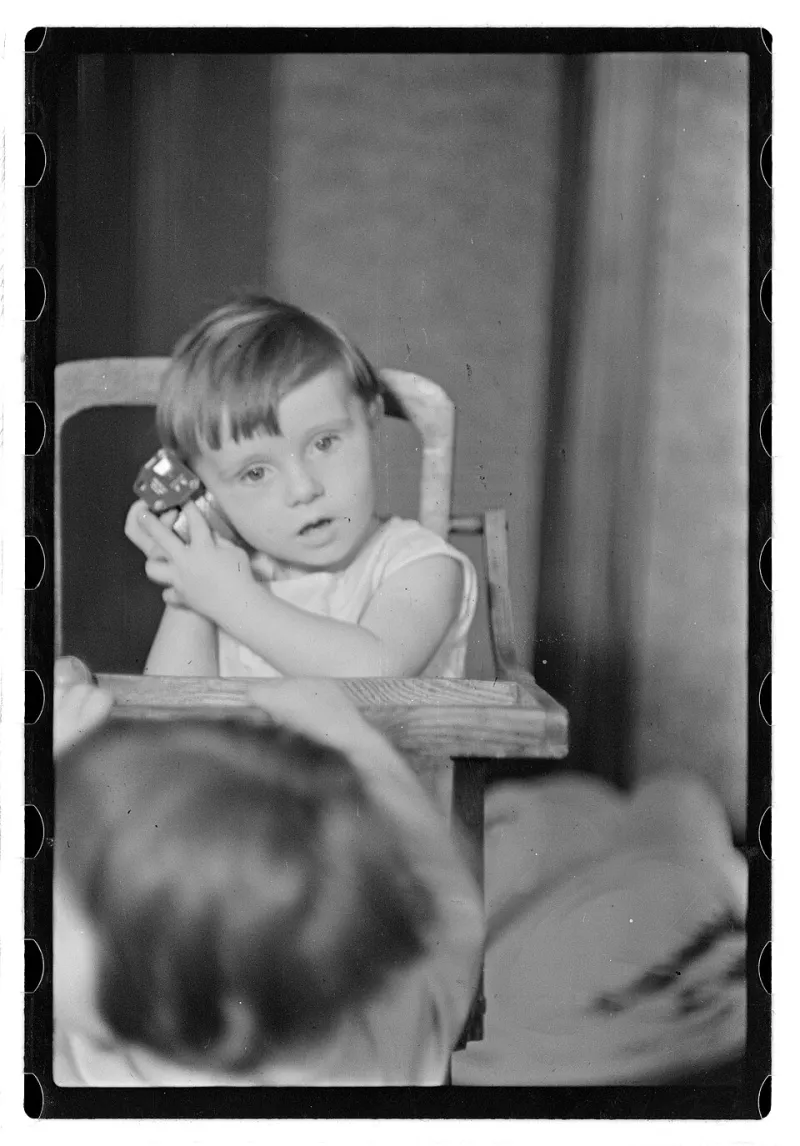
Photo: Sanromá, John B., 1900-1997, Public domain, via Wikimedia Commons
There’s a particular kind of January morning that catches parents off guard. Your child sailed into nursery in December, perhaps barely glancing back over their shoulder. Then, after a fortnight of late nights, fairy lights and being surrounded by familiar faces, the nursery door opens again — and suddenly there are tears, a tight grip on your coat and a small person who seems to have forgotten every bit of their hard-won confidence.
It can feel like a setback. It very rarely is. The January wobble is common, understandable and usually temporary. Think of it less as starting from scratch and more as needing a little re-orientation after a very big change in rhythm.
Why the festive break can unsettle even a confident child
Christmas is lovely, but it is not exactly a normal fortnight. Mealtimes drift, bedtimes stretch, rooms fill with visitors, and the usual nursery routine disappears for a while. For a young child, that can be exciting and destabilising in equal measure.
Add in the things we don’t always notice from the outside — the noise, the extra sugar, the late nights, the excitement of presents, the strange quiet afterwards — and it’s no wonder January can bring a few wobbly feelings. A child who seemed settled before the break may simply be out of practice. They have spent two weeks being mostly with family, often with more one-to-one attention, and the nursery environment can feel suddenly busier than they remember.
It’s also worth remembering that under-fives don’t always have the words for “I’m tired”, “I’m out of my routine” or “I’m not sure I remember how this works”. They show us instead. Clinginess, tears at the door, a sudden reluctance to join in, or a child who seems extra tired and cross in the late afternoon are all classic January signals.
The first week back is a re-entry, not a reset
It helps to treat the first week or so as a gentle re-entry. You wouldn’t expect yourself to bounce straight back into a full routine after a holiday, and your child deserves the same grace.
Keep the focus on familiarity. If your child has a comfort object — a small comforter, a favourite scarf, a toy that lives in their bag — let it come along. A familiar smell or texture can act like a little anchor in a room that feels slightly new again.
At drop-off, aim for short and confident. A long, lingering goodbye can make a child feel that there is something to worry about, even when your intention is reassurance. A cuddle, a clear “I’ll be back after tea”, a wave through the window and then away is often kinder than a dozen extra checks. If you need to cry in the car afterwards, that’s allowed. Just try not to let your child see you hesitating at the door.
Bring bedtime forward, not the whole day
One of the most practical things you can do in the first week back is protect sleep. Festive late nights catch up with small bodies, and tiredness makes everything feel bigger. A slightly earlier bath and bedtime for a few nights can do more for the morning mood than any pep talk.
At home, keep the rhythm relaxed but predictable. You don’t need to schedule every minute. Just aim for the familiar beats: breakfast, nursery, tea, bath, story. Predictability is soothing for children who are still finding their feet again.
It can also help to talk about nursery in ordinary, positive ways — not as a test they have to pass. “I wonder what you’ll play with today” or “I think your key person said there were new books” is gentler than “You’ll be fine, won’t you?”. Keep the conversation light and matter-of-fact.
When to talk to your child’s key person
A few wobbly days are normal. If the wobble is still going strong after a couple of weeks, or if your child seems genuinely distressed rather than just rusty, do have a chat with their key person. That’s what they’re there for.
Useful things to mention include what you’ve noticed at home, whether sleep or appetite has changed, and what seems to help your child settle. Ask how they are at nursery once you’ve gone — often the tears at the door are much shorter than they feel to you. A good key person will be able to tell you whether your child is settling into the day, who they are playing with and whether there is anything more specific going on.
If your child is still clinging at every drop-off, it may be worth agreeing on a consistent goodbye routine together. Sometimes a small tweak — a wave at the window, a particular song, or handing them to the same familiar adult each morning — can make the difference.
Go gently with yourself, too
January can feel like a long month even without a nursery wobble. The pressure to leap back into routine with a big January smile is not helpful for anyone. Your child does not need you to be perfect. They need you to be steady, warm and reasonably predictable.
So keep the first week small. Allow the tears, offer the cuddle, bring the comfort object, get the earlier bedtime, and trust that familiarity will do its quiet work. The child who clung at the door in January is usually the same child who eventually lets go, finds their favourite puzzle, and gets on with the very serious business of playing.
If you’re worried, talk to your child’s key person sooner rather than later. A little shared understanding between home and nursery is often the kindest bridge back in.