The Something in the Bag: A Real-Life Guide to Nursery Comfort Objects
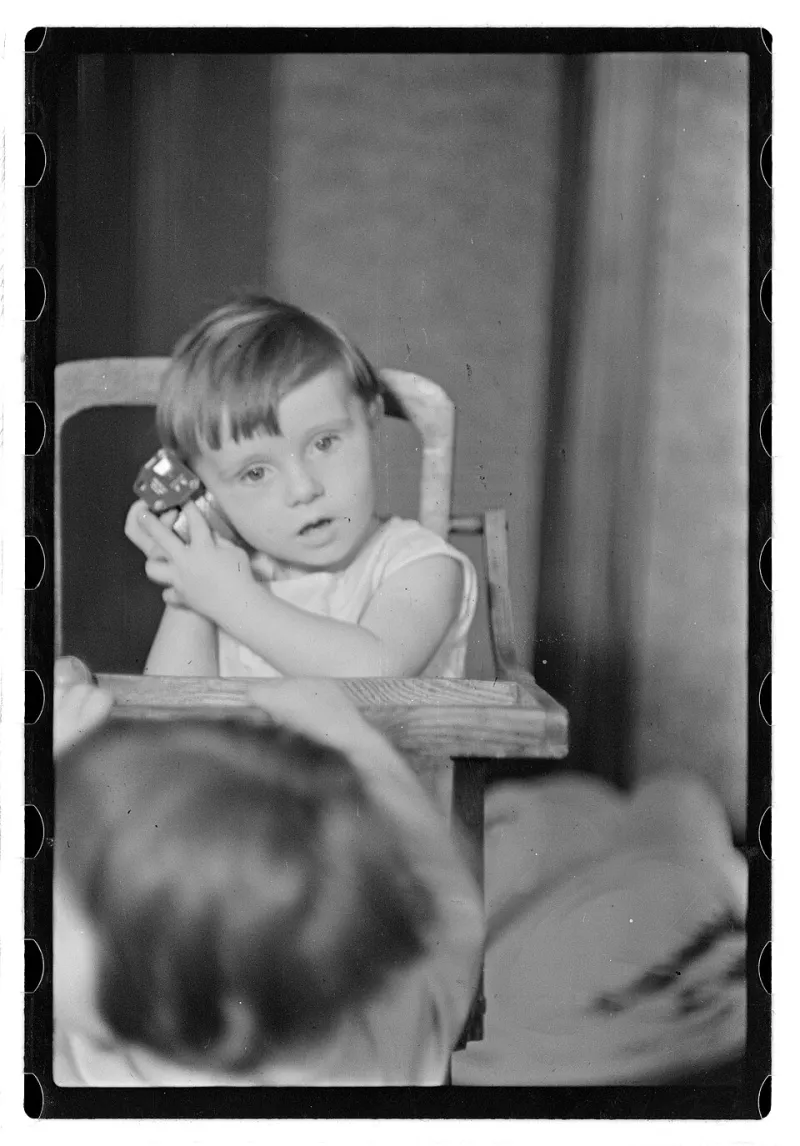
Photo: RunningToddler, CC BY-SA 2.0, via Wikimedia Commons
Why a small anchor helps
A comfort object is a bit like a familiar voice in a noisy room. It does not stop the noise, but it gives a child something steady to hold on to while they find their feet. In early years language, this is often called a transitional object: something that carries a little of home into a new place. It might be a cloth, a small soft toy, a photo, or even a smooth stone that lives in a pocket.
Parents sometimes worry that relying on an object means their child is not really settling. In practice, it is usually the opposite. A child who has a reliable bit of comfort often feels brave enough to let go of your hand a little sooner. The object is a bridge, not a barricade.
The trick is choosing one that helps without becoming a source of stress — for your child, for you, or for the nursery team who are trying to keep track of twenty small pairs of wellies.
Start with the setting, not the shop
Before you invest in a rabbit with a hand-knitted scarf, have a quick chat with your child's key person. Most UK nurseries have a sensible policy about personal items, and it is worth knowing the details before your child becomes attached to something that is not allowed through the door.
Some settings ask that comfort objects stay in bags or cubbies and come out at drop-off, nap time or a wobbly moment. Others are happy for them to be carried around. Some ask for items to be small, named and washable, and a few may ask you to avoid soft toys altogether for hygiene or allergy reasons. None of this is a judgment on your child; it is usually about keeping a busy room calm and safe.
If your nursery cannot accommodate a soft object, ask what they suggest. A family photo in a plastic wallet, a small fabric square, or a keyring-sized picture can all do the same job. The best comfort object is the one that fits the setting's routines, not the one that looks best on Instagram.
The golden rules: small, named, replaceable
Once you know what is welcome, look for an object that is:
- Small enough to live in a bag or pocket, not so small it is a choking risk for younger children.
- Free from buttons, beads, long cords, loops or loose parts that could come away.
- Washable, or at least easy to wipe and dry.
- Clearly labelled with your child's name.
- Replaceable, if possible. This is the quiet genius of a plain muslin square or a simple cloth: you can buy two.
A tiny stone or a family photo can work well because they are not obviously babyish and are easy to keep safe. A well-loved cloth is also a classic for a reason. The object does not need to be expensive or beautiful. It needs to be familiar, safe and boring enough to survive real life.
It also helps to introduce it gently at home before it becomes a nursery thing. Let your child carry it around during a quiet morning, pop it in their bag for a short trip, and talk about it as your little piece of home. The more ordinary it feels, the less likely it is to become a battleground.
Hygiene without the drama
A comfort object that goes everywhere will get grubby. That is normal. The goal is not sterility; it is common sense. Check the nursery's guidance, wash soft items according to the label, and have a spare in rotation if you can. If your child is particularly attached, try swapping the object while they are asleep or happily playing, so the new one smells familiar rather than suspicious.
For a photo or a stone, a quick wipe is usually enough. For a cloth, a warm wash with your normal detergent is fine unless the setting advises otherwise. Avoid tying the object around your child's wrist or attaching it with a long cord. A named bag or a small pocket is safer.
If your child is unwell, keep the comfort object at home with them. It is one less thing for the nursery team to clean, and it gives your child a bit of extra comfort while they recover. When they are back on their feet, give it a wash before it returns.
Lost, mislaid or in the wash
Even the most careful family will misplace a comfort object eventually. The trick is to have a calm routine before it happens.
Label the object clearly. Take a photo of it next to your child, so you can show staff exactly what you are looking for. Ask your key person where lost items usually end up. Keep a spare at home if you can, and do not be ashamed to use it. A child who is offered a clean, familiar twin is usually far happier than a child watching you turn the car upside down.
If the object goes missing, try to keep the mood light. It is having a wash at home or it is having a rest in your bag can buy everyone a little time. Most nursery teams are very good at reuniting lost items, but a calm story works better than a frantic search.
It also helps to have a nursery object and a home object if your child is happy with that arrangement. The nursery one can stay in the bag; the home one can be for bedtime. This reduces the number of journeys the object makes and gives your child a clear sense of where comfort lives.
When the object starts to weigh more than it lifts
Comfort objects are meant to help, not to become a source of anxiety. If your child is becoming more distressed about the object than they were without it, it is worth pausing and talking to your key person.
Signs it might be time to rethink include: your child refusing to go anywhere without it, the object causing daily battles, the setting struggling to keep it safe, or your child losing interest in it for long stretches. None of these mean you have done anything wrong. Children grow in and out of comfort habits, just as they grow in and out of favourite songs and shoes.
Retirement is usually best done gradually. Start by leaving the object in the bag rather than in hand. Then let it stay in the car, then on a shelf at home. Talk about it warmly: You used to need your little cloth, and now you are big enough to leave it at home. If your child asks for it, give it back without a lecture. The aim is confidence, not a power struggle.
A gentle goodbye
A comfort object is a small, practical way to help a child carry home into nursery. It works best when it is chosen with the setting, named clearly, washed regularly and backed up with a spare. It is not a measure of how independent your child is, and it is not a problem to be solved. It is a little piece of home in a pocket — and sometimes that is exactly what a small person needs to walk through the door.