Four Wrapped Parcels, One Happy Morning: A Simpler Christmas for Under-Fives
Photo: Clara Miller Burd, Public domain, via Wikimedia Commons
There is a particular kind of Christmas morning scene that plays out in living rooms across the UK. The tree is lit, the stockings are down, and a small person in pyjamas is sitting in front of a wobbling tower of wrapped parcels. The adults are beaming. The camera is ready. And the child? Often a bit glazed, a bit tearful, or simply more interested in the empty box than anything inside it.
None of that means Christmas has gone wrong. It just means we might be asking a very small person to process a very big pile. Under-fives are not known for their restraint at the best of times, but they are also not built for a marathon of unwrapping. Their attention is short, their feelings are large, and their idea of a brilliant morning is usually one good thing, repeated until they know it inside out.
So this is not a piece about cancelling Christmas or turning into the present police. It is a gentle nudge towards a simpler rhythm — one that keeps the sparkle, dials down the overwhelm, and leaves more room for the bit children actually remember: you, on the floor, playing alongside them.
Why a smaller pile can feel bigger to a small person
A tower of gifts is a lovely idea in theory. In practice, it asks a three-year-old to switch attention every ninety seconds, manage disappointment when the next parcel is not the thing they hoped for, and share the spotlight with a room full of adults saying 'ooh, look at this one'. That is a lot of emotional admin for someone who still needs help with their coat.
Early years specialists often talk about the value of deep play — the kind where a child returns to the same toy again and again, testing it, talking about it, building a little world around it. A few open-ended things tend to support that better than a mountain of one-hit wonders. Think wooden blocks, a doll with a couple of outfits, playdough, a set of chunky crayons, a cardboard box that can become a boat, a shop, or a bed for a teddy. These are the toys that grow with the child rather than being finished with by teatime.
Fewer presents does not mean less magic. It often means more space — for play, for calm, and for the Christmas morning to unfold at a pace that suits everyone.
The want, need, wear, read rhythm
The four-gift idea has been floating around for years, and for good reason. It is simple enough to remember and flexible enough to adapt. The basic shape is: something they want, something they need, something to wear, and something to read.
It is not a law. It is a rhythm. A stocking can still happen. Father Christmas can still visit. The point is to give the morning a shape that does not rely on volume.
- Want: one thing they have genuinely asked for, not every item on the list. You know the difference between the toy they have mentioned for weeks and the one they spotted in a shop window five minutes ago.
- Need: something useful but still lovely — new wellies, a lunchbox with their favourite animal on it, a cosy blanket, or bedding in a colour they love.
- Wear: one outfit, a pair of pyjamas, or a dressing-up piece. Under-fives are usually happier in clothes they can move in, so comfort beats costume.
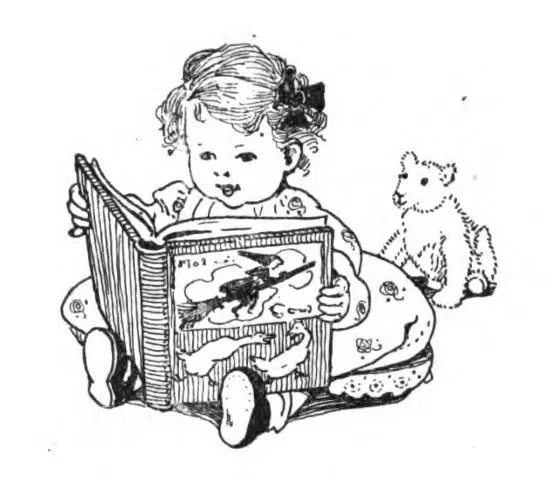
- Read: a book you can enjoy together. A board book, a picture book, a lift-the-flap favourite. This is the gift that keeps giving at bedtime.
You can add a small experience or a family day out if you want to round it off. You can also let grandparents choose one of the four categories, which gives them a clear role without handing over the whole sleigh.
Kind scripts for generous grandparents
This is often the tricky bit. Grandparents love a big Christmas. They may have saved up, they may remember their own childhoods, and they may hear 'we are keeping it small this year' as 'we do not want your presents'. Most of the time, it is not about the stuff at all. It is about being part of the day.
A few scripts that keep things warm:
- 'We are trying a four-gift Christmas this year — want, need, wear, read. Would you like to choose the book? You always find the best ones.'
- 'We would love an experience instead of a big present. Could you take her to the farm or the museum in January? She would talk about that for weeks.'
- 'He is a bit overwhelmed by big piles at the moment. One thoughtful thing from you would mean the world — honestly, more than five.'
- 'If you see something you love, could you keep it for his birthday? We are trying to spread things out so he can actually enjoy them.'
It also helps to lead with the child's experience rather than the rule. 'She gets a bit tearful when there is a lot to open' lands more softly than 'we think you buy too much'. And if a grandparent still turns up with a boot full of parcels? Try not to make it a standoff on the doorstep. You can open a few, put the rest away for another day, and send a lovely thank-you photo later. Christmas is not the moment for a full philosophy seminar.
Experience gifts and second-hand magic
Some of the best gifts for under-fives do not come in a box at all. A membership to a local farm, a soft-play pass, a trip to the theatre, a swim session, or a promise of a baking day with Nana can be far more memorable than another plastic toy that loses its shine by Boxing Day. They also take up less space, which is no small thing in a UK home in December.
Second-hand is another quiet win. Charity shops, NCT sales, toy libraries, and local swap groups are full of good-quality toys that have plenty of play left in them. A wooden train set, a play kitchen, a set of duplo — these things are often built to last. Give them a clean, check for loose parts or broken bits, and wrap them up with the same care as anything new. Children do not arrive with a preference for shrink wrap. They care about the play.
If you are buying second-hand, a quick check for safety marks and any recalled items is sensible. But for most families, a mix of a few new things, a couple of pre-loved treasures, and one experience is more than enough to make a small person's Christmas.
What to do with the excess
Even with the best intentions, December can still bring a few extra parcels. You do not have to bin them or send them back. A simple rotation works wonders: keep a few gifts back for a rainy day in January or February, when the novelty of Christmas has worn off and a new box of bricks feels like a gift all over again. You can also involve your child in choosing a couple of older toys to pass on to a local charity shop or a younger cousin. Keep it light — 'these are for other children to enjoy now' — rather than making anyone feel guilty.
The magic is not in the stack
When we strip it back, the Christmas morning that children remember is rarely about the number of parcels. It is the stocking at the end of the bed, the smell of breakfast, the same songs on repeat, the walk to the park in new wellies, the grandparents on the sofa, and the unhurried time to play with one lovely thing while someone they love sits nearby.
A four-gift Christmas is not a punishment or a trend to follow perfectly. It is simply a permission slip to do less, wrap less, and be present more. If your child ends the morning happily lost in one toy, with a book waiting for bedtime and a new pair of pyjamas on, you have done Christmas beautifully. The rest is just wrapping paper.