Busy Knees, Bright Ears: What Nursery Circle Time Really Asks of Little Bodies

Photo: nursery children circle time carpet wriggling listening early years UK, via i4.kurocore.com
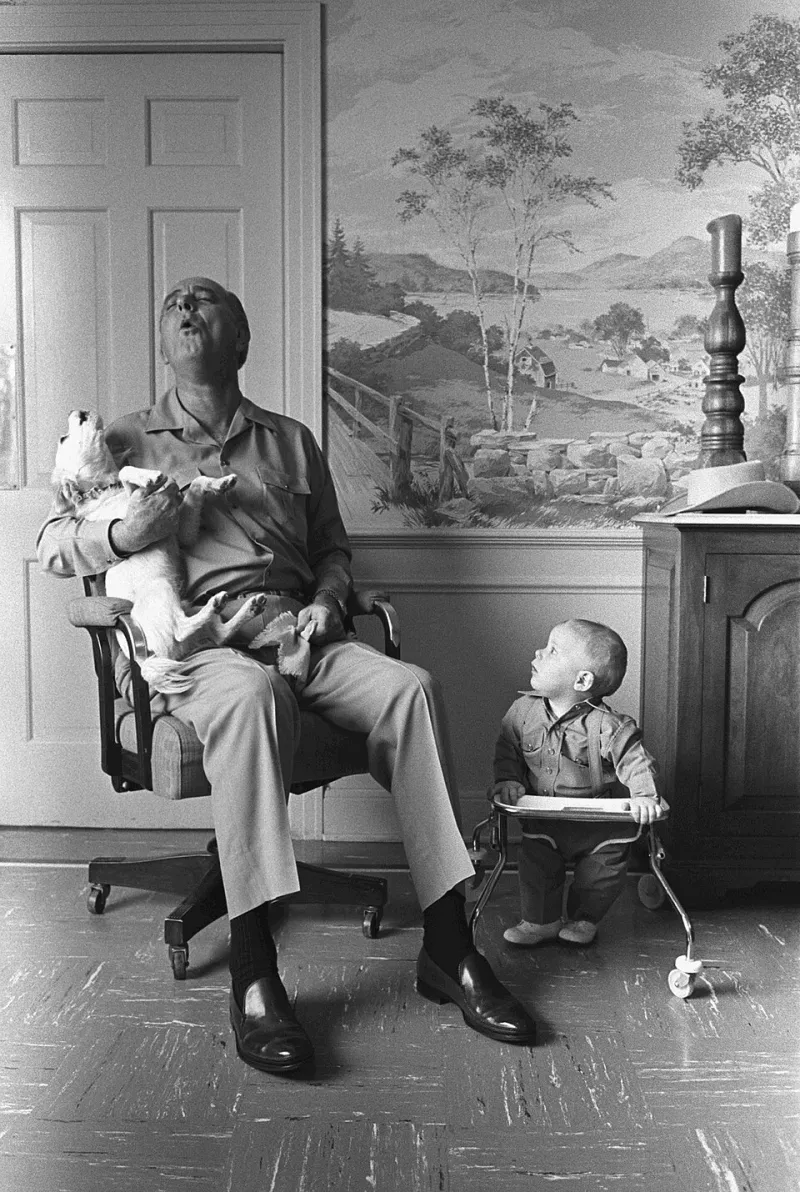
Picture the scene. A small group of children are gathered on the carpet for circle time. One child is cross-legged and still. Another is kneeling up, then flopping sideways, then tracing a pattern on the carpet with one finger. A third has somehow ended up lying on their tummy with their chin in their hands, watching the grown-up speak. From the outside, only the first child looks like they are ‘listening’. But looks can be misleading.
At Happy Hearts Journal, we hear from plenty of parents and carers who worry when their child wriggles through group time at nursery. It is easy to read a busy body as a busy brain that has switched off. In reality, for many under-fives, movement and attention are not opposites. They are often travelling companions.
What circle time actually asks of a small child
Circle time sounds simple: come together, listen, join in, maybe sing a song or share a thought. But strip it back and it asks quite a lot of a three- or four-year-old. It asks them to notice that a group has formed. It asks them to pause their own plan. It asks them to tune into one voice among many, in a room full of interesting things. And it asks them to stay with that voice for longer than their nervous system might naturally choose.
That is not a small task. Young children are still building the skills we call ‘executive function’ — the mental air traffic control that helps them hold attention, wait, switch focus and resist impulses. These skills grow steadily through play, conversation and safe relationships. They do not arrive fully formed on a child’s fourth birthday.
So when a child shuffles, leans, kneels or lies down during circle time, they may be doing something quite sensible. They may be giving their body the input it needs to stay available for listening. A child who is allowed to move a little is sometimes a child who can stay engaged a little longer.
The body is not the brain — and stillness is not the same as listening
There is a persistent idea that good listening looks like a statue: legs crossed, hands in lap, eyes forward. It is a tidy picture, and it is very useful for school assemblies. But it is not a reliable picture of what is happening inside a young child’s head.
Some children listen best with their hands busy. Some listen best when they are moving gently. Some need to look away from the speaker to concentrate, because holding eye contact takes effort. A child who is lying on the floor may still be taking in every word — and a child who is sitting perfectly still may be miles away, rehearsing what they will do at snack time.
This is not an argument against group time. Gathering together has real value: it builds belonging, routines and shared attention. It is simply a reminder that the outward shape of attention varies. In the early years, we are usually better off looking for signs of connection than signs of posture.
Three things to look for instead of still legs
If you are wondering whether your child is ‘taking in’ circle time, try moving your attention away from their legs and towards these quieter clues.
Do they come back? A child may drift, roll or shuffle, then rejoin the group with a comment, a song action or a look towards the grown-up. That return is a sign of connection. Attention is not a straight line for under-fives; it is more like a path with small detours.
Do they join in later? Sometimes a child does not participate in the moment but repeats a song, phrase or idea at home. That is evidence that something stuck. Listening can be a delayed process.
Do they seem settled in their body? There is a difference between a child who is moving to help themselves focus and a child who is dysregulated, overtired or overwhelmed. The first often looks loose and comfortable. The second may look frantic, distressed or disconnected. Your key person will know the difference in your child.
Questions worth asking your key person
Rather than asking, ‘Does my child sit still at circle time?’, try a few questions that get closer to what matters.
- What does my child’s listening look like in a group?
- Are there times when they seem most tuned in — and what is happening then?
- Do they choose to come back to the group after moving away?
- Do they join in with actions, songs or comments, even if they are not sitting still?
- Is there a pattern with tiredness, hunger, noise or the time of day?
- How do you support children who need to move while they listen?
These questions are not about catching anyone out. They are about building a shared picture. A good key person will be able to tell you what your child does with their hands, their gaze and their body when they are genuinely engaged. That information is far more useful than a simple ‘yes, they sat nicely’.
At home: support attention without the sitting-still test
You do not need to practise circle time at home. In fact, turning play into a posture lesson is likely to backfire. What you can do is create small, low-pressure opportunities for shared attention — the kind that grows naturally when a child is interested and comfortable.
Let hands be busy. Offer a bit of playdough, a few pegs or a colouring sheet while you read a story. Some children listen better when their hands have a job. This is not cheating; it is scaffolding.
Follow their focus. Sit beside them while they play and narrate gently: ‘You are stacking the red ones on top.’ Shared attention grows from following a child’s interest, not from demanding their eyes.
Keep group time short at home. If you sing a song or share a book, stop while it is still going well. A short, warm experience is better than a long one that ends in a meltdown.
Use movement breaks. Before a sit-down activity, try a quick wiggle, a star jump or a walk to the window. A body that has had a chance to move is often a body that can settle more easily afterwards.
Notice the good moments. Instead of saying ‘sit still’, try ‘I noticed you listened to the whole page’. Praise the connection, not the posture.
Play listening games, not sitting games. Sound lotto, ‘what can you hear outside?’ or copying rhythms are all gentle ways to build attention. They are playful, short and do not require a child to hold a position.
When to be curious, not worried
If your child is consistently distressed, unable to settle even with movement, or seems disconnected from group experiences in a way that worries you, it is always worth a conversation with your key person or health visitor. You are not being over anxious. You are being observant. But for many children, the wiggling at circle time is not a warning sign. It is simply how their body helps their brain stay in the room.
The next time you hear that your child shuffled, rolled or lay down during group time, try not to picture a failure of listening. Picture a small person doing their best to stay connected in the way their body knows how. Busy knees can still belong to bright ears.