The Lost Art of Nothing Much: Why an Empty Afternoon Can Build a Bolder Child
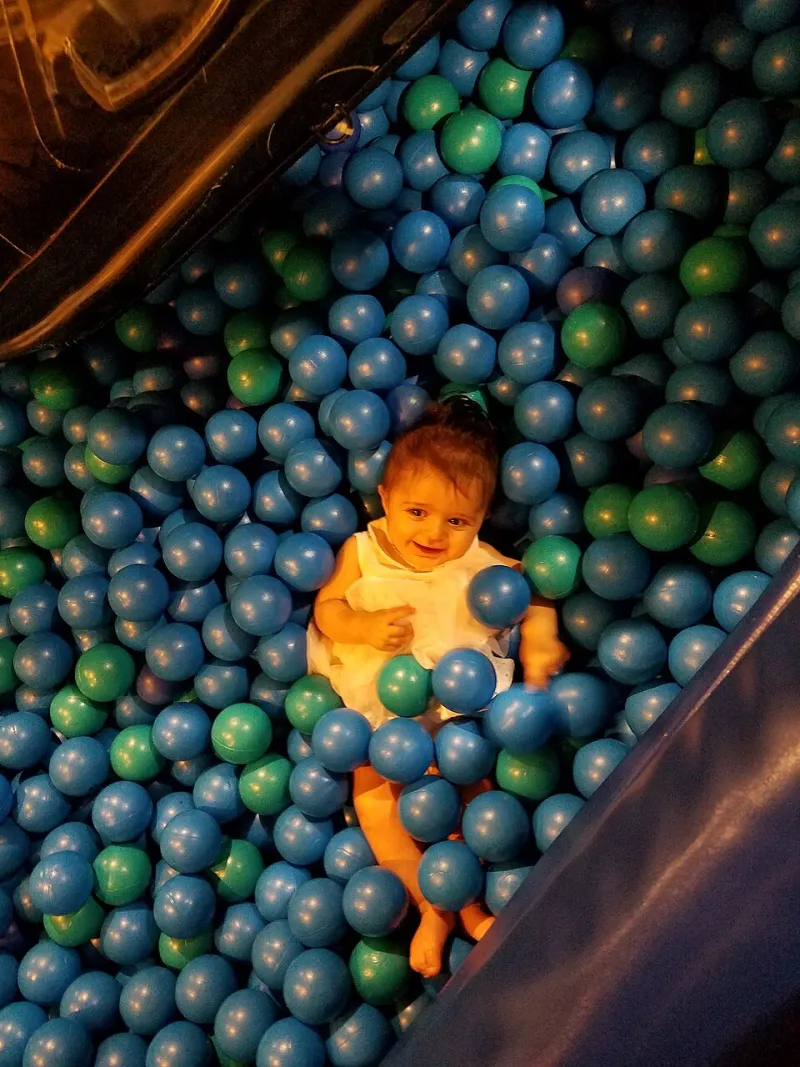
Photo: Afshin10, CC BY-SA 4.0, via Wikimedia Commons
'I'm bored.' It lands at about 3.40pm on a wet Saturday, usually while you have one hand in the washing machine and the other in a bag of carrots. Two words, a theatrical sigh, a small person draped over the arm of the sofa.
And almost before the sigh has finished, most of us are solving. Screen on. Craft box down. 'Shall we do some baking?' This piece is an argument against that reflex — not against screens, not against lovely planned activities, but against the idea that boredom is an emergency with a thirty-second response window.
The complaint is rarely the real problem
Boredom picked up a bad reputation somewhere along the line. It gets bundled together with neglect, with 'not doing enough with them', with the low hum of parental guilt that accompanies a rainy half-term and a full washing basket.
Look a little closer, though, and 'I'm bored' is usually doing one of three jobs. It might be a bid for connection. It might be tiredness wearing a disguise. Or it might be the genuinely uncomfortable feeling of a brain that has reached the edge of its usual groove and cannot yet see the next step.
Only the first two need you to step in. The third is where the interesting things happen.
What an empty patch of time actually asks of a child
Self-regulation is not built during a perfectly curated activity. It is built in the gap between 'there is nothing to do' and 'oh — actually, there is this'. That gap asks a child to sit with a slightly itchy feeling, to notice what is around them, to have an idea, and then to try it out without an adult narrating the outcome.
Watch a four-year-old left alone with a cardboard box for long enough. The first five minutes are grumbling. The next twenty involve a door, a shop, a cat flap and a very complicated rule about who is allowed in. That is planning, negotiation, storytelling and persistence, all emerging from what looked like nothing at all.
Studies of toddlers given fewer toys at a time have found that their play lasted longer and varied more than in rooms where everything was out at once. Fewer options, it turns out, does not mean less play. Quite often it means deeper play.
Boredom is not the same as being left to it
A necessary distinction, and one worth saying out loud. Boredom does its best work inside a relationship, not instead of one. A child left alone with a hard feeling for too long does not become creative; they become withdrawn.
The aim is not absence. It is a warm, nearby, slightly unhelpful presence.
In practice: be in the room, be slow to intervene, and be honest that this is a choice you are making. 'I'm right here if you want me. I'm not putting the telly on, though.' Calm, dull, consistent. Expect it to be treated as a negotiation for the first few goes.
Building a home that can cope with nothing much
Some gentle engineering, mostly free:
- Rotate rather than add. Half the toys in a cupboard, half out. Swap them over monthly. Familiarity only breeds contempt when it is permanent.
- Keep a 'bits' box. Bottle tops, string, cardboard tubes, fabric offcuts, tape. Genuinely reachable — not up a shelf marked 'special'.
- Leave one thing half-finished. A puzzle out on the table, chalk on the patio, a den in the corner of the front room. Invitations rather than instructions.
- Protect one empty afternoon a week. Diaries fill themselves if you let them. Write 'nothing' in the diary and mean it.
- Keep the kitchen table in reach. Paper, pencils, a stapler, scrap paper. The five minutes while tea cooks is prime creating time.
Outside is the easiest boredom cure in Britain
You do not need a big garden or an annual membership to somewhere grand. A strip of paving, a puddle and a bag of chalk will cover most of a Sunday. Sticks, stones, water, mud and permission to get wet go a very long way — the sort of loose, free-range play that forest schools lean on all year round.
Let them be a bit cold and a bit damp. Take spare socks. Puddle-watching is science, worm-hunting is science, and a semi-feral hour in the park at the end of the road does more for a mood than the neatly organised alternative.
What to say when you hear it
A few lines worth keeping in your pocket:
- 'Bored is a feeling, not an emergency. I'll be here in ten minutes if you want company.'
- 'Shall I give you a job, or shall I leave you to it?' Both are valid. Neither involves a screen.
- 'That sounds tricky. I wonder what your hands might find.'
- 'I'm not going to fix this one for you. I'm quite interested to see what you come up with.'
And when the answer is 'nothing, ever' — sometimes boredom is a nap in disguise. A blanket and a book is a perfectly good outcome. That is allowed too.
A slower sort of confidence
The children who cope well with a dull Tuesday are not the ones who have been endlessly entertained. They are the ones who have practised the small, ordinary discomfort of having nothing to do, and discovered that they can survive it — and that something good sometimes follows.
So next time it lands, at 3.40pm with the carrots still unpeeled: pause. Breathe. And let the nothing do its work.