One Nativity, Two Late Nights and a Lot of Pyjamas: Budgeting Your December Yeses
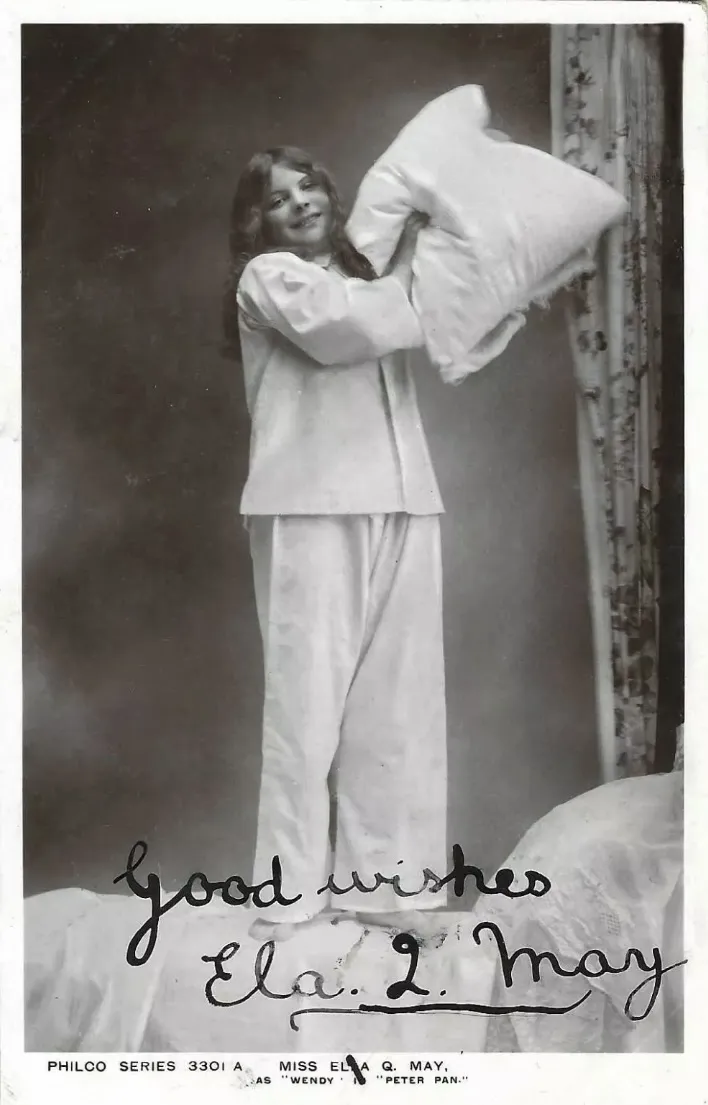
Photo: Philco (1905), Public domain, via Wikimedia Commons
December doesn't arrive so much as snow in. One minute it's a normal Tuesday in November, the next your hallway is full of invitations: nursery party, Christmas jumper day, the nativity, a birthday tea, the neighbours' drinks, four separate family gatherings and a light switch-on that starts at 6pm. And because it's Christmas, the default answer to all of it is yes.
I'd like to make the case for a budget instead.
A yes costs more than an evening
Here's the thing about under-fives that December tends to forget: they don't do one-offs, they do cumulative. A late night isn't just a late night — it's a wake-up that comes too early, a snack that doesn't happen, a wobbly ten o'clock and a meltdown over a sock. Small children aren't fragile for this; they're just honest about it. Their systems are still learning to regulate, and the scaffolding for that is sleep, food at roughly the right times, and a bit of predictable nothing.
So when we say yes to a 6.30pm party, we're also saying yes to whatever follows it at 11am the next morning. That's the real price ticket. And unlike the drinks, it isn't always a price we've agreed to.
Set the budget before the invitations land
Before you reply to anything, sit down — ideally with a cup of tea and the person you share the school run with — and decide how many big yeses this December holds. Three or four is realistic for most families. Some years it might be one.
A few questions worth asking of each invitation:
- Is this for my child, or for the adults? Nursery nativity: almost certainly for the child. The works do: lovely, but be honest about who's actually being fed by it.
- Would they notice if we skipped it? A three-year-old will not remember that you declined the second social event of the week. They will remember the tree going up.
- Is there a smaller version? Drop in for the first hour. Send a pudding instead of going. Suggest a daytime walk rather than an evening meal.
Protect the two rhythms that hold the day together
If you only defend two things this month, defend bedtime and the cadence of meals and snacks. Everything else can flex.
Bedtime. Try to keep your usual window within half an hour or so, even on event days. Two late nights a week is a workable ceiling for most little ones — more than that and the debt compounds. An overtired child often doesn't look tired; they look like a small tornado at 4pm. Early tea before an evening do, pyjamas ready for the return, and a quiet morning the day after all help.
Food and snacks. Festive food is part of the fun, and there's no need to police it. But a child who has had three biscuits and no lunch is a child being set up for a hard afternoon. Keep a snack bag in the car or pram — something with a bit of staying power — and give a proper tea before parties so they're not arriving ravenous at the crisps. The 4pm gap between a nap and a party is where a lot of December tears are actually made.
Say a generous yes to the cheap stuff
A budget isn't a diet. Some yeses cost almost nothing at all: the drive round the neighbourhood to look at lights, the same bauble they always hang, baking that's mostly flour on the floor, the same three songs in the car, a walk to the postbox in wellies. Repetition is where small children find magic — not volume. You could do nothing but a nightly five minutes of tree-lights and still have a December they talk about.
Kind scripts for saying no
There's a particular sort of guilt that attaches to declining things in December. Here are some phrases that help, none of which require an excuse you have to remember.
- "We're keeping December small this year — thanks so much for thinking of us."
- "We can't do the 6pm start, but could we drop by earlier for half an hour?"
- "We're doing one big thing a week and this week's already spoken for. Can I bring a pudding instead?"
- "That sounds lovely. I'm going to say no, and I'm genuinely pleased you asked."
- For your child: "We're not going to that one. We are going to see the lights and watch the film. That's our job today."
The last one matters. Children cope far better with a clear no than with a frazzled maybe, and naming what you are doing gives them something solid to hold.
Guard a home day
If you take one thing from this, take this: book at least one day a week in December with nothing on it. No visiting, no outing, no requirement to leave the house. Call it a pyjama day and mean it. That's not a failure of festive spirit — it's what makes the rest of it possible.
The season you're actually protecting
The temptation is to treat December as a competition between magic and routine, as though bedtime is the enemy of wonder. In our experience it's the opposite. Sleep and snacks are the scaffolding that lets a small child enjoy the lights, sit through the nativity and manage the enormous excitement of a wrapped box without coming apart.
Budget your yeses, spend them on the things that matter, and leave a little quiet in the corners. That's the December they'll remember — and the one you might enjoy too.