Festive Food Without the Fuss: Helping Little Ones Meet Christmas Meals with Curiosity
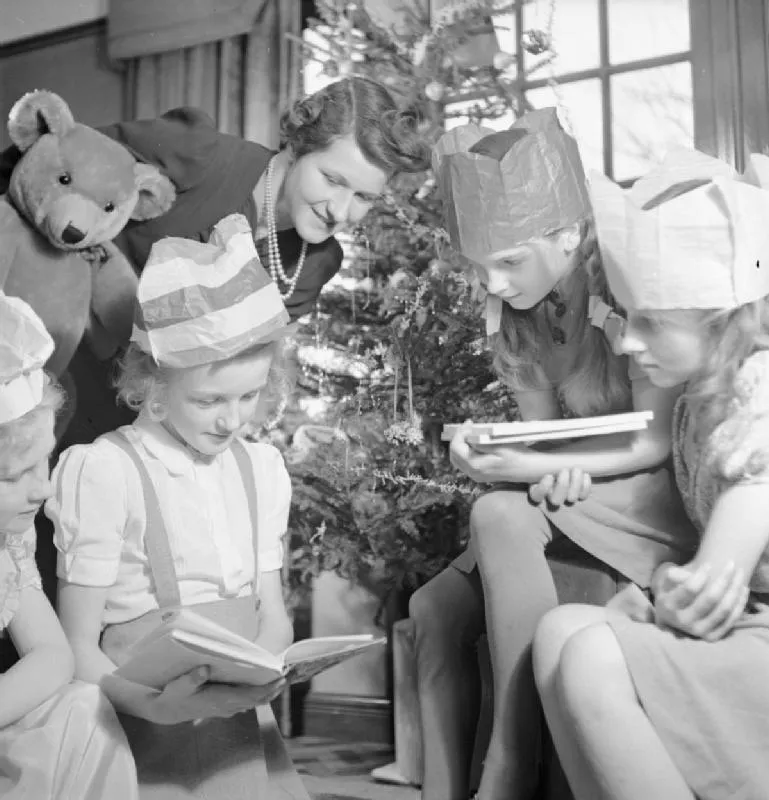
Photo: Ministry of Information Photo Division Photographer, Public domain, via Wikimedia Commons
Christmas food can look like a minefield when you have an under-five at the table. There are buffet tables, richer dishes, excited relatives, disrupted naps and a lot of comments about what is on everyone's plate. It is easy to slip into coaxing, bargaining or quietly worrying that the whole week is turning into a sugar-and-sausage free-for-all.
Take a breath. The aim of festive mealtimes is not a perfect plate or a perfectly behaved child. It is connection, curiosity and a calm table. A pressure-free approach can help you offer new tastes without turning lunch into a battle — and it works just as well with a slice of turkey as it does with a bowl of peas.
Why festive meals can feel like a lot
Under-fives are often wary of new foods. This is normal and developmentally useful — it is one of the ways little ones stay safe while learning what is familiar. Add a big, noisy table, unfamiliar faces, richer flavours and a routine that has gone out of the window, and it is no surprise if your child clings to the bread roll and refuses the sprouts.
Evidence-informed feeding approaches tend to agree on a few gentle principles. Repeated, neutral exposure helps children learn to like new foods. Responsive feeding — noticing hunger and fullness cues rather than pressing for 'one more bite' — supports a healthy relationship with food. And the Division of Responsibility, a well-known framework used by many health professionals, suggests adults decide what, when and where food is offered, while the child decides whether and how much to eat.
The 'one bite, no pressure' plate
'One bite, no pressure' does not mean negotiating a single bite until your child gives in. It means offering a small taste alongside familiar favourites and then leaving the decision with them. You might put a tiny piece of stuffing next to the potatoes and say, 'You can try it if you like.' Then move on. No cheering, no bargaining, no sad face if they decline.
A child-sized Christmas plate might include a small piece of turkey, a few potatoes, some carrots, a bit of bread and one new taste — perhaps a sprout, a spoonful of cranberry sauce or a piece of stuffing. Keep portions small. A plate piled high can overwhelm a small person before they have even picked up a fork.
At a buffet, help your child choose three or four items and sit down together to eat. Grazing all afternoon can make it hard for children to notice hunger and fullness, and it can make the main meal feel less appealing. A seated plate, even a small one, gives the meal a shape.
UK Christmas foods, gently
Classic Christmas foods can absolutely be part of your child's plate. Turkey can be cut into small pieces with no bones. Pigs in blankets can be sliced lengthways to reduce choking risk. Stuffing, sprouts, carrots, parsnips, potatoes and bread sauce can all be offered in small amounts. Cranberry sauce is tangy and sweet — a little taste is plenty.
Mince pies and Christmas pudding are richer and higher in sugar, so they are better as a small treat alongside a meal rather than a free-for-all. Check labels for alcohol: some mincemeat and Christmas puddings contain it, and alcohol is not suitable for young children. Whole nuts are a choking risk for under-fives, so avoid offering them whole; nut butters can be spread thinly if your child already eats them safely. Grapes should be quartered lengthways, and anything round or firm should be cut small.
Salt is worth watching too. Gravy, stuffing, sausages and cheese can be salty, so keep portions modest and avoid adding extra salt at the table. Offer water with meals, and keep sugary drinks for special occasions rather than sipping throughout the day.
What to say when relatives comment
Well-meaning comments are part of many family Christmases. 'Just one bite for Grandma', 'He's so fussy', 'You'll never grow if you don't eat' — these are rarely meant unkindly, but they can make a child feel watched and pressured. Having a few gentle scripts ready can help.
Try:
'He's learning to like new foods. We're letting him decide.'
'Please don't ask him to take a bite. It tends to backfire.'
'He can have a small taste if he wants, but no pressure.'
'Thanks for helping him serve the carrots — that really helps.'
'We're not doing clean plates today. We're keeping it relaxed.'
If a relative keeps pushing, redirect to a job. 'Can you help Grandpa count the sprouts?' or 'Could you show her how to spoon the peas?' Giving children a low-pressure role at the table can build confidence without anyone having to argue.
Buffets, treats and reassurance
Christmas is not a normal week. Routines shift, meals are social, and treats appear at times they usually would not. One day of richer food does not undo a child's diet, and a mince pie does not cancel out a carrot. Try to zoom out and look at the pattern over the week rather than judging every plate.
Avoid labelling foods as 'good' or 'bad'. Instead, talk about variety, fullness and enjoyment. 'That was a lovely treat. What shall we have with our lunch tomorrow?' keeps the tone neutral. Keep brushing teeth twice a day, offer water regularly, and let outdoor play burn off some of the festive energy.
If you are worried
Most fussy phases pass, and most children eat enough over the course of a week even if a single meal looks chaotic. But if your child is losing weight, having difficulty swallowing, reacting to foods, or showing extreme restriction, speak to your health visitor or GP. If you are worried about allergies or introducing new foods, ask for advice before offering them. Never force-feed, and try not to turn mealtimes into a test.
A calmer Christmas table is not about getting everything right. It is about offering food without pressure, keeping the conversation kind and letting your child stay curious. One small taste, no pressure, and plenty of connection — that is a festive plate worth aiming for.