Hats, Socks and the Mystery Crumb: An Evening Routine for a Kinder Nursery Bag
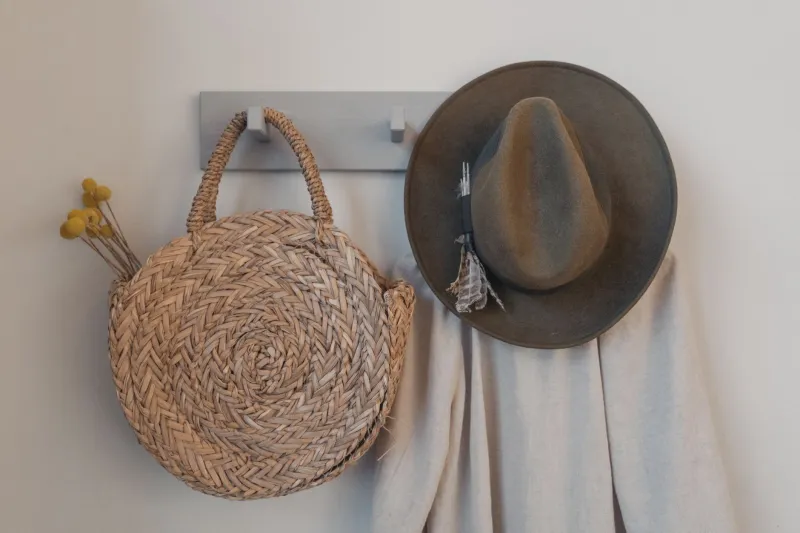
The nursery bag is a small object with a big job. It carries spare clothes, a water bottle, a puddle suit, maybe a comforter, and a surprising number of crumbs. By pick-up, it has often become a rumpled heap of half-zipped pockets and mystery socks. And while that is completely normal, it can also turn the next morning into a low-level scavenger hunt — one that nobody in the family really enjoys.
A five-minute reset after pick-up is not about having a perfectly organised hallway. It is about giving everyone, adults and children alike, a calmer starting point for the day ahead. For under-fives, small routines like this can act as emotional scaffolding. They signal what happens next, reduce the number of decisions at a busy moment, and help little ones feel that their world has some predictable edges.
Why the bag becomes a flashpoint
The nursery bag is often the last thing we touch before leaving the house and the first thing we drop when we get home. It sits at the intersection of everyone's needs: your child's comfort, the setting's practical requests, the weather, and your own morning timeline. No wonder it becomes a flashpoint.
Add in dark November afternoons, wet wellies, and a child who is tired and hungry at pick-up, and the bag can easily become something to shove by the door and deal with later. The trouble is that later usually means the next morning, when time is tight and patience is thinner.
A gentle reset is not about eliminating mess. It is about catching the small things before they become big ones: the hat that never made it back into the bag, the spare pants that are still damp, the water bottle that has been quietly leaking into a library book. Five minutes now can save a lot of faffing later.
Five minutes, not a full clear-out
Think of this as a light touch, not a deep clean. A simple rhythm works well:
- Empty the bag onto the floor or a low table.
- Put anything that belongs at home into one small basket — shoes, coat, any setting paperwork.
- Bin or recycle the obvious rubbish: wrappers, crumpled tissues, the mystery crumb.
- Check the setting items: spare clothes, nappies if needed, water bottle, weather gear.
- Replenish what is missing and pop the bag back on its hook.
If you can, keep a small basket or tray near the door for the bag itself. It does not need to be beautiful. A sturdy hook and a routine are far more useful than a perfect label.
What earns a permanent place in the bag
A good nursery bag is less about clever gadgets and more about having the right basics within reach. In the UK, that often means a spare set of clothes in a named bag, a water bottle, and whatever weather protection your setting asks for. In autumn and winter, that might include a hat, gloves, and a puddle suit or wellies. In summer, a sun hat and a named bottle become the essentials.
It is worth checking your setting's list rather than guessing. Some nurseries ask for nappies and wipes to be topped up daily; others prefer a wet bag for dirty clothes. A small labelled wet bag is one of those quiet heroes of nursery life. So are name labels that survive the wash — because lost property is rarely about carelessness and more about a hat that looks exactly like everyone else's.
Keep the bag light enough for your child to carry or help carry. If it is too heavy, it becomes your bag rather than theirs, and that takes away a small chance for independence.
Letting little hands help without a tidy-up battle
The reset works best when it is not framed as a test of obedience. For a two-year-old, asking them to tidy the whole bag is likely to end in a scatter of socks and a change of subject. Instead, offer one small, clear job.
You might say, 'Can you find your water bottle?' or 'Which pocket should the hat go in?' For older threes and fours, a simple choice works well: 'Do you want to put the socks in first or the pants?' It is a real job, but it is also manageable.
Narrate what you are doing rather than quizzing them. 'I am putting your spare trousers back in the bag. Your hat goes in the front pocket.' This kind of commentary builds language and memory without pressure. If they wander off halfway through, that is fine. The point is participation, not perfection.
Some children like to be in charge of the zip. Others prefer to carry the bag to the hook. Others will simply watch from the sofa. All of these are valid versions of helping. The routine still does its job: it shows that the bag is looked after and that tomorrow is being gently prepared for.
The emotional payoff: predictability you can feel
Under-fives thrive on predictability, but they do not need a rigid timetable. They need enough sameness to feel safe and enough flexibility to feel human. An evening bag reset is a tiny ritual that says, 'We look after our things, and we get ready for tomorrow together.'
It also reduces the morning load. When the bag is ready, you are not searching for a missing shoe while your child is asking for toast. The morning has fewer flashpoints, and your child picks up on that calm. Even if the day still has its wobbles, the bag is not one of them.
You do not need to do this every single evening. Some days will be a scramble, and that is allowed. But when you can, five minutes after pick-up is often enough. Hang the bag up, empty the crumbs, check the spares, and let your child help with one small job. It is a modest routine, but it can make the nursery bag feel a lot less like a black hole — and the morning feel a lot more like a fresh start.